How I Beat Daily Burnout with Simple Moves That Actually Work
Ever feel tired even after a full night’s sleep? You’re not alone. Millions struggle with constant fatigue, no matter how much they rest. I was there too—dragging through days, relying on coffee just to function. Then I discovered something surprising: the right kind of movement, not more sleep, changed everything. This isn’t about intense workouts or drastic changes. It’s about smart, practical motion that re-energizes your body naturally. Let me show you what really works.
The Hidden Truth Behind Chronic Fatigue
Fatigue is more than just feeling sleepy. It’s a persistent lack of energy that affects concentration, mood, motivation, and even the ability to complete simple daily tasks. Many people assume fatigue means they need more rest, but the reality is often the opposite. Chronic fatigue is frequently linked to inactivity, poor circulation, and prolonged periods of sitting—especially in modern lifestyles where desk work and screen time dominate. When the body remains sedentary for hours, blood flow slows, oxygen delivery drops, and the brain receives fewer signals that promote alertness and mental clarity.
One of the most common misconceptions is that sleep alone can resolve ongoing tiredness. While quality sleep is essential, oversleeping or remaining physically inactive can actually worsen fatigue. The World Health Organization reports that one in three adults worldwide fails to meet the minimum recommended levels of physical activity, and this inactivity is strongly associated with higher rates of fatigue, low mood, and decreased cognitive performance. The body isn’t designed to stay still—it thrives on movement. Without it, energy systems become sluggish, much like an engine that sits unused for too long.
Stress also plays a significant role in draining energy. Chronic stress triggers the release of cortisol, a hormone that, in excess, can disrupt sleep, impair digestion, and lead to mental exhaustion. When combined with physical inactivity, this creates a cycle where the body feels tired, so it moves less, which in turn leads to even lower energy levels. Breaking this cycle doesn’t require extreme measures. It starts with understanding that fatigue is not a life sentence—it’s a signal from your body asking for movement, not more rest.
Why Movement Beats Rest for Energy Recovery
Contrary to popular belief, lying down or napping during low-energy periods may not be the best solution. Passive rest often leads to stiffness, grogginess, and a further decline in alertness. In contrast, active recovery—short bursts of light movement—can dramatically improve how you feel within minutes. When you engage in gentle physical activity, your heart pumps more efficiently, increasing blood flow to the brain and muscles. This delivers more oxygen and nutrients, which are essential for mental focus and physical stamina.
The science behind this is well established. Light exercise stimulates the release of endorphins, natural chemicals in the brain that enhance mood and reduce the perception of fatigue. It also improves mitochondrial efficiency—the ability of your cells to produce energy. Mitochondria are often called the powerhouses of the cell, and when they function optimally, your body generates energy more effectively. Additionally, movement helps regulate the autonomic nervous system, shifting the body from a stressed, “fight-or-flight” state to a calmer, “rest-and-digest” mode, which supports sustained energy throughout the day.
Think of your body like a car engine. If you leave a car idle for days, the battery drains, the fluids settle, and it takes more effort to start. But if you run the engine regularly, even briefly, it stays warm, lubricated, and ready to go. Your body works the same way. Gentle movement “warms up” your systems, signaling that it’s time to be active. This doesn’t mean you need to sprint or lift heavy weights. Simple actions like standing up, stretching, or walking for a few minutes can make a noticeable difference in how alert and capable you feel.
The 5-Minute Energy Reset Routine (Backed by Science)
One of the most effective tools for combating daily fatigue is a short, intentional movement routine that can be done anytime, anywhere. The 5-Minute Energy Reset is designed to wake up your body without requiring special equipment, clothing, or even leaving your home. It combines dynamic stretches, joint mobility exercises, and light cardiovascular activation to stimulate circulation and mental alertness. Research published in the Journal of Occupational and Environmental Medicine shows that brief bouts of physical activity during the workday significantly improve concentration, reduce fatigue, and enhance overall well-being.
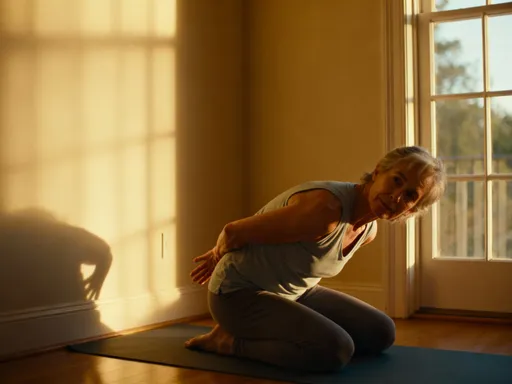
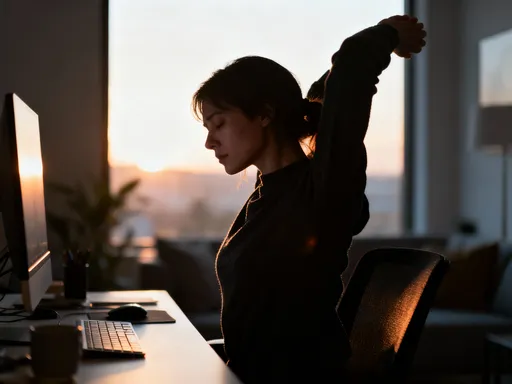
The routine begins with shoulder rolls—10 forward and 10 backward—to release tension that accumulates from sitting and typing. This is followed by gentle neck stretches: slowly tilting the head side to side and rotating it in small circles to relieve stiffness. Next, perform seated or standing torso twists, which engage the core and improve spinal mobility. Then, stand and march in place for one minute, lifting the knees high to get the blood flowing. Finish with 30 seconds of brisk arm circles and 60 seconds of deep breathing while walking slowly in place.
Each of these movements serves a specific purpose. Shoulder and neck exercises reduce muscular tension that can contribute to headaches and mental fog. Torso twists stimulate digestion and activate the nervous system. Marching and arm movements elevate heart rate slightly, increasing oxygen delivery to the brain. The final deep breathing helps transition the body into a calm yet alert state. Performing this routine in the morning can set a positive tone for the day, while doing it during the post-lunch slump can prevent the typical afternoon energy crash.
The key to success is consistency, not intensity. You don’t need to break a sweat or feel out of breath. The goal is to “stir your system,” as researchers at the University of Georgia describe it—gentle activation that signals your body to shift into higher gear. Over time, this simple practice can retrain your body to maintain better energy levels naturally, reducing reliance on caffeine and sugar for quick fixes.
Walking: The Overlooked Powerhouse for Lasting Energy
Among all forms of physical activity, walking is perhaps the most accessible and underappreciated tool for boosting energy. Unlike structured workouts that require time, motivation, and sometimes equipment, walking can be done by nearly anyone, anywhere, at any time. It’s low-impact, safe, and can be easily integrated into daily routines. Yet, its benefits are profound. Regular walking improves cardiovascular health, enhances mood, and supports better sleep—all of which contribute to sustained energy levels.
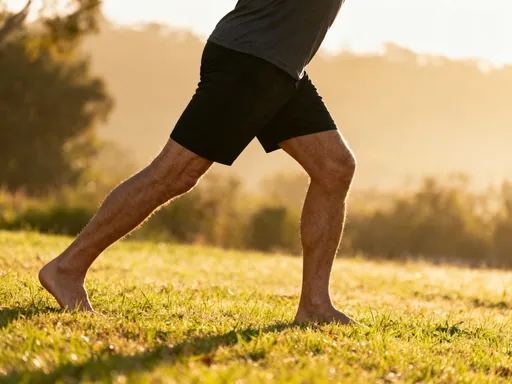
To maximize the energizing effects of walking, focus on pace, posture, and timing. A brisk pace—where you can talk but not sing—is ideal for increasing heart rate and circulation without overexertion. Aim for 10 to 20 minutes at a time, especially during natural energy dips, such as mid-afternoon. Maintain good posture: keep your head up, shoulders relaxed, and arms swinging naturally. If possible, walk outdoors. Exposure to natural light helps regulate circadian rhythms, which in turn supports alertness during the day and deeper sleep at night.
The benefits extend beyond the physical. Walking has been shown to reduce symptoms of anxiety and depression, both of which are closely linked to fatigue. A study from the University of Michigan found that just 15 minutes of walking in a natural setting significantly improved mood and cognitive function in adults. Even indoor walking—such as pacing during phone calls or using a hallway for short loops—can provide meaningful benefits when outdoor access is limited.
Practical integration is key. Consider replacing one sitting break with a walking break. Take a post-meal stroll after lunch or dinner to aid digestion and prevent energy crashes. If your job allows, try a walking meeting instead of sitting in a conference room. Use a step tracker not as a source of pressure, but as a gentle reminder to move more throughout the day. The goal isn’t to hit a specific number, but to build awareness and consistency. Over time, walking becomes less of a chore and more of a natural part of your rhythm, quietly restoring your energy without demanding much effort.
Strength Without the Sweat: How Light Resistance Helps
When people think of building energy, they often overlook strength training, assuming it’s only for muscle gain or weight loss. But even light resistance exercises can play a crucial role in reducing fatigue and improving daily vitality. Engaging muscles—even gently—supports metabolic health, increases blood flow, and enhances the body’s ability to use energy efficiently. The good news is that you don’t need weights, a gym, or even 30 minutes to benefit. Simple bodyweight movements and resistance bands can deliver real results with minimal time and effort.
Wall push-ups, seated squats, and standing calf raises are excellent starting points. These exercises target major muscle groups without straining joints or requiring balance. For example, wall push-ups strengthen the chest, shoulders, and arms while being safe for all fitness levels. Seated squats—standing up and sitting down from a chair without using your hands—build leg strength and improve functional mobility. Adding a resistance band around your thighs during these movements increases muscle activation without adding impact.
A sample 7-minute sequence might include: 10 wall push-ups, 10 seated squats, 15 standing calf raises, 10 glute bridges (lying on your back, lifting your hips), and 30 seconds of marching in place. Repeat the circuit once. This routine can be done in the morning to energize the body or in the evening to relieve tension from sitting. The movements are designed to be safe, repeatable, and adaptable—perfect for busy schedules and varying energy levels.
Light resistance training supports mitochondrial health, helping cells produce energy more efficiently. It also improves insulin sensitivity, which means your body can better regulate blood sugar and avoid the spikes and crashes that lead to fatigue. Because these exercises are low-intensity, they don’t deplete energy—they replenish it. Over time, regular engagement strengthens the body’s resilience, making daily tasks feel easier and reducing the sense of being overwhelmed by simple chores.
Timing Matters: Syncing Movement with Your Body’s Natural Rhythms
Your body operates on a natural 24-hour cycle known as the circadian rhythm, which influences energy levels, alertness, and physical performance throughout the day. Understanding this rhythm can help you choose the best times to move for maximum benefit. Most people experience a natural energy peak in the late morning and a dip in the mid-afternoon, often around 2 to 4 p.m. This post-lunch slump isn’t just due to food—it’s a biological dip in alertness that affects even well-rested individuals.
Strategic movement during these low-energy windows can counteract fatigue without disrupting your day. A short walk, stretch session, or the 5-Minute Energy Reset during the afternoon dip can reset your system and restore focus. Morning movement, even just 10 minutes of light exercise, helps synchronize your circadian clock, signaling to your body that it’s time to be awake and active. This can improve daytime energy and support better sleep at night.
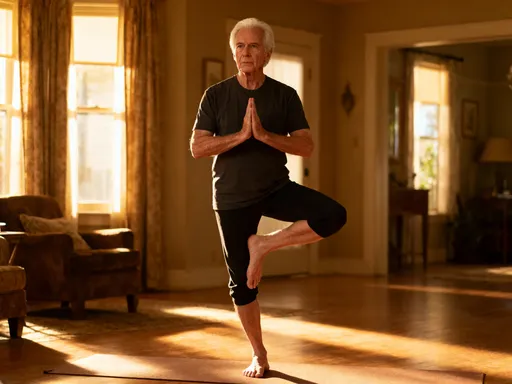
However, timing matters in both directions. While early and midday movement boosts energy, intense physical activity too close to bedtime can interfere with sleep. The body needs time to wind down, and vigorous exercise in the evening may elevate heart rate and cortisol levels, making it harder to relax. If you prefer to move later in the day, opt for gentle activities like stretching, yoga, or a leisurely walk. These promote relaxation without overstimulation.
A sample daily movement schedule might include: 5 minutes of stretching upon waking, a 10-minute walk mid-morning, the 5-Minute Energy Reset after lunch, and a 15-minute walk in the late afternoon. This pattern aligns with natural energy fluctuations, providing support when you need it most. Over time, your body learns to expect and respond to these movement cues, making energy management more automatic and less effortful.
Building a Sustainable Energy Lifestyle (Beyond Exercise)
While movement is a powerful tool for fighting fatigue, it works best when combined with other healthy habits. Hydration, nutrition, and breathing play essential supporting roles in energy regulation. Even mild dehydration can cause fatigue, headaches, and poor concentration. Drinking water throughout the day—especially upon waking and before meals—helps maintain optimal bodily function. Pairing movement with proper hydration enhances circulation and reduces the risk of muscle cramps and stiffness.
Nutrition also matters. Eating balanced meals with a mix of protein, fiber, and healthy fats helps stabilize blood sugar and prevent energy crashes. Avoiding large, heavy meals—especially at lunch—can reduce post-meal sluggishness. Instead, opt for smaller, nutrient-dense portions that provide steady fuel. Foods rich in iron, B vitamins, and magnesium support energy production at the cellular level, though it’s best to obtain these through whole foods rather than supplements unless advised by a healthcare provider.
Breathing is another often-overlooked factor. Shallow, rapid breathing—common during stress—can reduce oxygen intake and increase fatigue. Practicing deep, diaphragmatic breathing for just a few minutes a day can improve oxygen delivery, calm the nervous system, and enhance mental clarity. Combine this with movement: inhale deeply while raising your arms, exhale fully while lowering them. These small habits, when practiced consistently, create a foundation for lasting energy.
To make these changes stick, focus on habit stacking—adding new behaviors to existing routines. For example, stretch while waiting for your coffee to brew, take a walking break after checking email, or do seated squats while watching the evening news. Use environmental cues like phone reminders, a standing desk, or a pair of walking shoes by the door to prompt action. Start small, celebrate progress, and build momentum gradually. This isn’t about achieving fitness goals or transforming your body—it’s about reclaiming your daily vitality and feeling more like yourself.
Fatigue doesn’t have to be your default setting. The key isn’t more caffeine or longer nights in bed—it’s smarter, consistent movement woven into real life. These practical, science-supported strategies aren’t about transformation overnight, but about feeling noticeably better, day by day. When you move your body right, energy follows. And that kind of change? It’s worth every step.