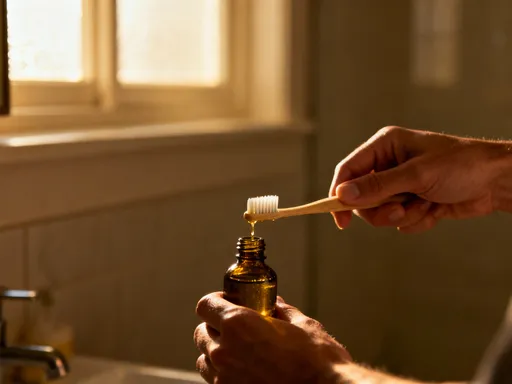
How I Fixed My Smile Without Surgery — Real Talk on Healing Teeth the Natural Way
You know that nagging feeling when your mouth just doesn’t feel right? I’ve been there—chronic sensitivity, bleeding gums, and zero confidence in my smile. After years of quick fixes that failed, I shifted focus from masking symptoms to actual oral recovery. Turns out, healing isn’t just about brushing harder. This is the honest, no-BS breakdown of what actually worked for me: simple daily shifts, science-backed habits, and the mindset that made my dentist do a double-take at my last checkup.
The Wake-Up Call: When My Mouth Started Fighting Back
It started subtly—morning breath that lingered no matter how much I brushed, a slight twinge when drinking cold water, and gums that bled when I flossed. At first, I dismissed it as normal wear and tear. I thought I was doing enough by brushing twice a day and using a popular mouthwash. But over time, the discomfort grew. I began avoiding smiling in photos, and I’d catch myself covering my mouth when I laughed. The real wake-up call came when I developed a painful abscess on my lower molar. It wasn’t just sore—it throbbed constantly, made it hard to eat, and kept me up at night. That’s when I realized I wasn’t just dealing with poor hygiene; I was facing a deeper imbalance in my oral health.
Looking back, my early habits only made things worse. I used a hard-bristled toothbrush and brushed aggressively, believing that scrubbing harder meant cleaner teeth. I relied heavily on alcohol-based mouthwashes, thinking they were sterilizing my mouth. In reality, I was disrupting my oral microbiome and irritating already inflamed gum tissue. I ignored the early signs because I assumed they were minor issues that would resolve on their own. What I didn’t understand was that bleeding gums aren’t normal—they’re a red flag. The body sends blood to inflamed areas to fight infection, and when gums bleed regularly, it’s a sign that chronic inflammation is underway.
The abscess forced me to confront the truth: I had been treating symptoms, not causes. I wasn’t alone in this. Many people believe that as long as they brush and floss, their mouth is fine. But modern oral care often focuses on surface-level cleanliness rather than true healing. Cavities, gum disease, and sensitivity aren’t just the result of poor brushing—they’re often signs of systemic imbalances, diet deficiencies, and lifestyle factors. The turning point for me was shifting from a mindset of control to one of care. Instead of asking, “How can I make my mouth look clean?” I began asking, “How can I help my mouth heal?” That change in perspective set the foundation for real recovery.
Debunking the Brush-and-Floss Myth: What We’re Getting Wrong
For decades, we’ve been told that brushing and flossing are the gold standard of oral health. While these habits are important, they’re not a cure-all. Brushing alone cannot reverse gum disease or repair early tooth decay. In fact, improper technique can cause harm. Many people brush too hard, use the wrong toothbrush, or focus only on the front teeth, leaving plaque to accumulate in hard-to-reach areas. Flossing is equally misunderstood—done incorrectly, it can damage gum tissue instead of cleaning between teeth. The reality is that oral health is not just about mechanical cleaning; it’s about creating an environment where the mouth can heal itself.
One of the biggest misconceptions is the belief that plaque is simply “dirt” that needs to be scrubbed away. In truth, plaque is a biofilm—a complex community of bacteria that adheres to tooth surfaces. This biofilm isn’t inherently bad; a balanced oral microbiome includes both beneficial and harmful bacteria. The problem arises when the balance tips toward harmful species due to poor diet, stress, or overuse of antimicrobial products. When this happens, the biofilm becomes acidic and inflammatory, leading to enamel erosion and gum disease. Simply brushing harder won’t restore balance—it may even worsen it by damaging the protective mucosal layer of the gums.
What matters more than the tools we use is how and when we use them. Frequency and technique are critical. Brushing twice a day with a soft-bristled brush, using gentle circular motions, is more effective than aggressive scrubbing. Flossing should be done with care, gliding the floss between teeth without snapping it into the gums. But beyond these basics, true recovery requires going deeper. It means understanding that oral health is influenced by factors outside the bathroom mirror—what we eat, how we breathe, and how well we manage stress. The goal isn’t just to remove plaque but to support the body’s natural ability to remineralize teeth and reduce inflammation.
The Recovery Mindset: Treating Your Mouth Like a Healing Ecosystem
Shifting from cleaning to healing was the most transformative part of my journey. I began to see my mouth not as a set of isolated parts but as a living ecosystem. Just like a garden needs the right soil, water, and sunlight to thrive, the mouth needs the right conditions to maintain balance. This meant moving away from a war mentality—trying to kill all bacteria—and embracing a nurturing approach that supports the growth of beneficial microbes. The key wasn’t eradication; it was restoration.
Central to this mindset is the concept of the oral microbiome. This diverse community of bacteria, fungi, and viruses plays a crucial role in protecting against pathogens, aiding digestion, and even supporting immune function. When the microbiome is disrupted—often by antibiotics, processed foods, or harsh oral care products—harmful bacteria can take over, leading to inflammation and disease. I learned that my frequent use of alcohol-based mouthwash was killing both good and bad bacteria, leaving my mouth vulnerable. By switching to gentler, alcohol-free alternatives and introducing probiotic-rich foods, I helped restore balance over time.
Inflammation is the true enemy in oral health. It’s not just a symptom—it’s the driving force behind gum disease, tooth loss, and even systemic conditions like heart disease and diabetes. Chronic inflammation in the gums prevents tissue from healing and weakens the attachment between teeth and bone. To calm inflammation naturally, I focused on anti-inflammatory habits: reducing sugar intake, increasing omega-3 fatty acids, staying hydrated, and practicing nasal breathing. I also paid attention to stress, which can increase cortisol levels and worsen inflammation. By addressing these root causes, I created an internal environment where healing could occur.
Another surprising connection I discovered was between gut health and oral resilience. The digestive and oral microbiomes are closely linked. Poor gut health can lead to imbalances in the mouth, and vice versa. I began incorporating fermented foods like sauerkraut and kefir into my diet, which supported both systems. I also reduced processed foods and refined sugars, which feed harmful bacteria in both the gut and mouth. This holistic view—seeing the mouth as part of the whole body—was essential to my recovery.
My Daily Recovery Routine: What Actually Changed My Mouth
Consistency was key. I didn’t make drastic changes overnight; instead, I built a sustainable routine that fit into my daily life. My morning began with a simple but powerful practice: tongue scraping. Using a stainless steel scraper, I gently removed the white coating from my tongue. This not only improved my breath but also reduced the bacterial load in my mouth first thing in the morning. I followed this with oil pulling—a practice I was skeptical of at first. Swishing a tablespoon of organic coconut oil for 10–15 minutes helped reduce gum swelling and left my mouth feeling clean without the dryness caused by commercial mouthwashes.
After oil pulling, I rinsed with warm salt water, which has natural anti-inflammatory and antimicrobial properties. Then came brushing—using a soft-bristled electric toothbrush with a non-abrasive, fluoride-free toothpaste containing hydroxyapatite, a compound that supports enamel remineralization. I brushed for two minutes, focusing on the gum line with gentle circular motions. Flossing followed, using a waxed floss to avoid shredding, and I made sure to clean between every tooth without forcing the floss into the gums.
At night, I repeated a similar routine, but with added emphasis on hydration and oral rest. I made it a habit to drink a glass of water before bed to prevent dry mouth, which can increase bacterial growth overnight. I also practiced nasal breathing, which I learned supports better oxygenation and reduces mouth dryness. Breathing through the nose helps maintain a healthy pH in the mouth and supports the growth of beneficial bacteria. Over time, I noticed my snoring decreased and my energy improved—unexpected but welcome benefits.
Saliva played a bigger role than I ever realized. It’s not just spit—it’s a natural defense system. Saliva contains enzymes that neutralize acids, wash away food particles, and support remineralization. I encouraged saliva production by chewing sugar-free gum with xylitol and by eating more fibrous foods like apples and carrots. I also avoided eating right before bed, giving my mouth time to rest and repair overnight. These small, daily habits didn’t feel like a chore; they became acts of care that added up to real change.
Food as Medicine: Eating for Stronger Teeth and Gums
Diet was perhaps the most powerful tool in my recovery. I learned that teeth aren’t just inert structures—they’re living tissues that respond to nutrition. Just as bones need calcium, teeth need a spectrum of nutrients to stay strong and resist decay. Vitamin D is essential for calcium absorption, and without it, even a calcium-rich diet won’t support dental health. I began spending more time in the sun and added vitamin D3 supplements after consulting with my doctor. I also increased my intake of vitamin K2, which directs calcium to the teeth and bones instead of allowing it to deposit in soft tissues. Found in fermented foods like natto and certain cheeses, K2 became a quiet but crucial player in my healing.
Calcium and magnesium were also priorities. I incorporated leafy greens, almonds, chia seeds, and dairy (in moderation) into my meals. Magnesium, often overlooked, supports enzyme function in the mouth and helps prevent tooth grinding, which can wear down enamel. I reduced processed foods, which are typically high in phosphates that interfere with calcium absorption. Instead, I focused on whole, nutrient-dense foods that supported both oral and overall health.
Sugar was the biggest saboteur. It doesn’t just feed cavity-causing bacteria—it also weakens the immune response in the gums. I didn’t eliminate sugar overnight, but I made practical swaps: fruit instead of candy, herbal tea instead of soda, dark chocolate instead of milk chocolate. I also became aware of hidden sugars in sauces, breads, and packaged snacks. By reading labels and cooking more at home, I gained control over what I consumed. The result? Fewer cravings, more stable energy, and a noticeable reduction in plaque buildup.
Fermented foods became a cornerstone of my diet. Foods like kimchi, yogurt, and kombucha introduced beneficial bacteria that supported both gut and oral health. I also took a high-quality probiotic supplement designed for oral health, which included strains like Streptococcus salivarius that help crowd out harmful bacteria. Over time, my breath improved, my gums stopped bleeding, and my dentist noted a reduction in gum pocket depth—a measurable sign of healing.
When to See a Pro: Knowing the Limits of Home Care
While natural methods played a major role in my recovery, I never viewed them as a replacement for professional care. There’s a fine line between self-care and self-diagnosis, and I was careful not to cross it. I continued seeing my dentist regularly, not just for cleanings but for honest feedback. When I first shared my routine, my dentist was skeptical. But after six months, he noticed a significant improvement in my gum health and asked me what I had changed. That moment validated my efforts and strengthened our partnership.
There are clear signs that professional intervention is needed. Persistent pain, loose teeth, deep gum pockets, or visible abscesses should never be ignored. In my case, the abscess required drainage and a short course of antibiotics—something no home remedy could fix. But instead of stopping there, I used that treatment as a starting point for deeper healing. I worked with my dentist to develop a plan that combined conventional care with my natural routine. For example, after a deep cleaning, I focused extra attention on reducing inflammation and supporting tissue repair through diet and oral care.
There are also non-invasive treatments that can support natural healing. My dentist recommended a localized antimicrobial rinse for short-term use and suggested a fluoride varnish for areas of early decay. I accepted these treatments selectively, viewing them as tools rather than cures. I also had my bite checked, as misalignment can contribute to enamel wear and gum recession. By staying proactive and informed, I avoided unnecessary procedures while still addressing real issues.
Regular checkups remained essential, even after my symptoms improved. Oral health is dynamic—it can change with age, stress, or illness. What worked for me at 40 might need adjustment at 50. Continued monitoring allowed me to catch small issues before they became big ones. The key was balance: trusting my body’s ability to heal while respecting the expertise of trained professionals.
Long-Term Gains: What 18 Months of Consistency Gave Me
After 18 months of consistent effort, the changes were undeniable. My sensitivity to cold and hot foods disappeared. My gums no longer bled when I brushed or flossed. My dentist measured a reduction in gum pocket depth from 5mm to 2–3mm, indicating real tissue regeneration. My enamel felt stronger, and I no longer dreaded dental visits. But beyond the physical improvements, the emotional shift was profound. I smiled freely, laughed without covering my mouth, and felt more confident in social settings. Oral health is deeply tied to self-esteem, and healing my mouth healed a part of my self-image.
Staying consistent wasn’t always easy. There were days I skipped flossing or ate something sugary. But I learned to view setbacks not as failures but as part of the process. I focused on progress, not perfection. To avoid burnout, I built habits gradually and celebrated small wins. I also shared my journey with my family, which helped me stay accountable. My daughter started using xylitol gum, and my husband switched to nasal breathing—small changes that created a healthier home environment for everyone.
What I’ve learned is that this isn’t a quick fix or a “cure.” It’s a sustainable way of living. Oral health isn’t something you achieve once and forget; it’s a daily practice. The habits I’ve adopted—nutrient-rich eating, mindful oral care, and regular checkups—are now woven into my lifestyle. They don’t feel restrictive; they feel like acts of self-respect. And while my story is personal, the principles are universal: the body has an incredible capacity to heal when given the right conditions.
Healing your mouth isn’t about perfection—it’s about persistence. By focusing on recovery instead of just cleanliness, I didn’t just fix my gums; I rebuilt my relationship with my body. This isn’t medical advice, but real experience: small, science-aligned choices add up. Your mouth can heal. You just have to give it the right tools—and time.