How I Made Mediterranean Eating Actually Simple – And Why It Changed Everything
You’ve probably heard of the Mediterranean diet, but does it feel too complicated to start? I thought so too—until I stopped overthinking it. This isn’t about perfection or fancy ingredients. It’s about small, doable shifts that add up. I tested this in real life, no lab coats, just real meals and real results. Better energy, fewer cravings, and actually enjoying food again. Let me show you how simplicity made all the difference. What began as a quiet experiment in my kitchen turned into a lasting change—not just in what I eat, but in how I feel every day. This isn’t about strict rules or giving up everything you love. It’s about making smarter choices, one meal at a time, and discovering that healthy eating can be both satisfying and sustainable.
The Overwhelm Around "Healthy Eating"
For many women in their 30s, 40s, and 50s, the idea of eating “healthy” often feels like a full-time job. Between managing family meals, work schedules, and personal responsibilities, the last thing anyone needs is another complicated rule to follow. When the term “Mediterranean diet” comes up, it’s easy to imagine long ingredient lists, exotic spices, or meals that take hours to prepare. The mental image might include a rustic kitchen in southern Italy, where grandmothers hand-roll pasta and simmer sauces for hours—but that’s not real life for most of us. The truth is, this perceived complexity stops people before they even begin. They stand in the grocery aisle, overwhelmed by choices: which olive oil is best? What counts as a whole grain? Is couscous really healthy? The confusion builds, and the result is inaction.
But here’s what research and real-world experience show: the Mediterranean way of eating was never meant to be rigid or elitist. It grew from the everyday habits of people who lived close to the land, ate seasonally, and valued food as part of life—not a source of stress. The diet isn’t about measuring every gram of fat or avoiding carbs completely. It’s about patterns. It’s about choosing more plants, using healthy fats, and eating meals that are both nourishing and enjoyable. The goal isn’t perfection; it’s consistency. And when we shift our mindset from “dieting” to “living,” the path becomes much clearer.
One of the biggest mental barriers is the belief that healthy eating requires complete transformation overnight. Many women try to overhaul their entire kitchen in one weekend—tossing out sugar, banning bread, and swearing off processed foods. But this all-or-nothing approach often leads to burnout. Within days, cravings set in, energy drops, and the old habits creep back. The key is to recognize that small changes, when repeated over time, create real results. Instead of focusing on what you’re giving up, focus on what you’re adding in—more vegetables, more flavor, more energy. This subtle shift in thinking can make all the difference between short-term effort and long-term success.
What the Mediterranean Diet Really Is (And Isn’t)
The Mediterranean diet is often misunderstood. Some think it means eating nothing but salads and grilled fish, while others assume it’s a low-carb or keto-style plan. Neither is accurate. In reality, the diet is based on the traditional eating patterns of people in countries like Greece, Italy, southern Spain, and parts of the Middle East. These cultures have long enjoyed meals rich in vegetables, fruits, legumes, whole grains, nuts, seeds, olive oil, and fish, with moderate amounts of dairy and poultry, and only occasional red meat. It’s not a modern invention or a weight-loss gimmick—it’s a way of life that has stood the test of time.
At its core, the Mediterranean diet emphasizes whole, minimally processed foods. Meals are built around plant-based ingredients, with animal proteins playing a supporting role rather than the center of the plate. For example, a typical lunch might include a large portion of roasted vegetables drizzled with olive oil, a small serving of grilled fish, and a side of whole grain bread or farro. Dinner could be a bean stew with tomatoes, onions, and herbs, served with a green salad. The focus is on variety, color, and flavor—not restriction.
One common myth is that the diet eliminates carbohydrates. On the contrary, whole grains like oats, brown rice, barley, and whole wheat are regular parts of the eating pattern. The difference is in the type of carbs consumed. Refined grains—like white bread, white rice, and pastries—are limited because they lack fiber and nutrients. Whole grains, on the other hand, are encouraged because they support steady energy levels and digestive health. Another misconception is that the diet is all about salads. While fresh vegetables are important, they’re not the only form they take. Roasted, sautéed, and stewed vegetables are just as common, often cooked with olive oil and herbs to bring out deep, satisfying flavors.
The role of fats is another area of confusion. Unlike older nutrition advice that promoted low-fat eating, the Mediterranean diet embraces healthy fats—especially those from olive oil, nuts, and fatty fish. These fats are essential for heart health, brain function, and hormone balance. Olive oil, in particular, is a cornerstone of the diet. It’s used for cooking, dressing salads, and even drizzling over bread. Studies have consistently linked olive oil consumption with lower risks of heart disease, stroke, and chronic inflammation. The key is choosing extra virgin olive oil, which retains more antioxidants and beneficial compounds than refined versions.
Why Simplicity Works Better Than Perfection
When it comes to lasting change, consistency beats intensity every time. The idea of making a few small, manageable shifts—rather than attempting a complete lifestyle overhaul—is supported by behavioral science. Research shows that people who adopt gradual changes are more likely to stick with them long-term. The reason is simple: extreme diets create stress, which can lead to burnout and rebound eating. But when changes feel doable, they become habits. And habits, not willpower, are what sustain health over time.
One of the most powerful concepts in behavior change is the “small wins” strategy. Instead of trying to eat perfectly every day, focus on one simple improvement. For example, start by replacing butter with olive oil when cooking. Or add a handful of nuts to your morning yogurt. These tiny actions may seem insignificant at first, but they compound over time. A study published in the journal BMJ Nutrition, Prevention & Health found that even modest increases in plant-based foods and healthy fats led to measurable improvements in cholesterol levels and blood pressure within just a few months.
Another reason simplicity works is that it reduces decision fatigue. When you have too many rules—what to eat, what to avoid, when to eat it—the mental load becomes overwhelming. But when you focus on a few key principles, like “eat more vegetables” or “use olive oil as your main fat,” the choices become easier. You don’t need a perfect meal every time. You just need to make slightly better choices more often. This approach is especially helpful for busy women who don’t have time to plan elaborate meals or read ingredient labels for every product.
Perfectionism can also create guilt when you “slip up,” which often leads to giving up entirely. But the Mediterranean way of eating is forgiving. It’s not about being perfect; it’s about being consistent. If you eat pizza one night, that’s fine. The next meal can be a big salad with grilled chicken and olives. The overall pattern matters more than any single meal. This mindset reduces stress and makes healthy eating feel more enjoyable and sustainable.
The Mindset Shift: From Diet to Daily Living
One of the most transformative aspects of adopting the Mediterranean way of eating is the shift in mindset. Instead of seeing food as something to control or restrict, it becomes a source of nourishment, pleasure, and connection. This change in perspective is crucial, especially for women who may have spent years counting calories or following restrictive diets. The goal is no longer to fit into a certain size or lose weight quickly, but to feel good in your body and support long-term health.
Think of your kitchen as a garden, not a battleground. In a garden, you plant seeds, water them, and give them sunlight—not because you demand results, but because you care for them. The same principle applies to your body. When you choose whole foods, you’re giving your body the nutrients it needs to thrive. When you cook with care, you’re showing yourself respect. This approach fosters a positive relationship with food—one based on care, not punishment.
Another important concept is intuitive eating: learning to listen to your body’s natural signals. Are you truly hungry, or just bored? Are you eating because it’s time, or because you enjoy the food? The Mediterranean lifestyle encourages mindful eating—sitting down for meals, savoring flavors, and stopping when you’re satisfied, not stuffed. This doesn’t mean ignoring portion sizes, but rather tuning in to how your body feels before, during, and after eating.
Food is also deeply tied to culture and connection. In Mediterranean countries, meals are often shared with family and friends, eaten slowly, and enjoyed as part of daily life. There’s no rush, no guilt, no tracking. This social aspect of eating contributes to well-being in ways that go beyond nutrition. When you eat with others, you’re not just feeding your body—you’re feeding your soul. Even if you’re eating alone, you can create a sense of ritual: setting the table, lighting a candle, or simply taking a few deep breaths before you begin.
Simple Swaps That Actually Stick
Change doesn’t have to be complicated. The most effective shifts are the ones that fit easily into your routine and become second nature. Here are a few practical, evidence-based swaps that can make a real difference over time:
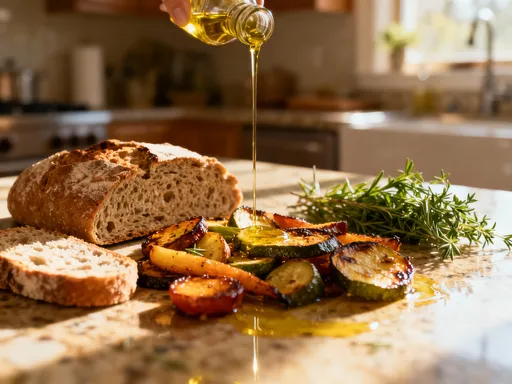
First, replace butter or margarine with extra virgin olive oil. Olive oil is rich in monounsaturated fats, which support heart health and reduce inflammation. Use it for sautéing vegetables, drizzling over cooked grains, or dipping bread. I started by using it in place of butter on my morning toast—just a light drizzle with a pinch of sea salt and cracked pepper. It’s simple, satisfying, and instantly makes a meal feel more Mediterranean.
Second, choose whole grains over refined ones. Instead of white rice, try brown rice, quinoa, or farro. Swap white pasta for whole wheat or legume-based versions. These grains contain more fiber, which helps regulate blood sugar and keeps you feeling full longer. I began by mixing half white and half brown rice, gradually increasing the whole grain portion until I didn’t miss the white version at all.
Third, snack on whole foods instead of processed ones. A handful of almonds, a piece of fruit, or some Greek yogurt with honey makes a far better snack than chips or cookies. Nuts, in particular, are a Mediterranean staple. They’re packed with healthy fats, protein, and fiber. Studies show that regular nut consumption is linked to lower risks of heart disease and improved weight management. I keep a small jar of mixed nuts in my pantry and grab a handful when I need an afternoon boost.
Fourth, aim to eat fish at least twice a week. Fatty fish like salmon, sardines, and mackerel are rich in omega-3 fatty acids, which support brain and heart health. If fresh fish isn’t always available, canned options like tuna or sardines are convenient and affordable. I’ve found that a simple tuna salad with olive oil, lemon juice, and chopped vegetables makes a quick, satisfying lunch.
Fifth, flavor your food with herbs and spices instead of salt. Excess sodium is linked to high blood pressure, but you don’t have to eat bland food to reduce it. Fresh or dried herbs like basil, oregano, rosemary, and thyme add depth and aroma to meals. A sprinkle of garlic powder, paprika, or cumin can transform a simple dish. I started by adding a few shakes of dried oregano to my scrambled eggs—now it’s a habit I don’t even think about.
Making It Work in Real Life
Of course, even the best intentions can run into real-world challenges. Time, budget, and family preferences are real concerns, especially for women managing households. The good news is that the Mediterranean way of eating can be both affordable and practical. It doesn’t require expensive ingredients or hours in the kitchen.
One of the most helpful strategies is batch cooking. On weekends, I cook a large pot of whole grains like quinoa or barley and store them in the fridge for the week. They reheat quickly and can be used in salads, soups, or as a side dish. I also roast a big tray of mixed vegetables—zucchini, bell peppers, eggplant, and onions—with olive oil and herbs. These become the base for quick meals: top with a fried egg, toss with canned beans, or serve with grilled chicken.
Canned beans and legumes are another budget-friendly staple. They’re pre-cooked, so they save time, and they’re rich in protein and fiber. Chickpeas, lentils, and black beans can be used in soups, stews, or salads. I make a simple lentil salad with chopped tomatoes, cucumbers, red onion, parsley, and a lemon-olive oil dressing. It’s ready in minutes and keeps well for lunches.
Shopping seasonally is another way to save money and eat fresher. In the summer, I buy tomatoes, zucchini, and berries when they’re at their peak. In the winter, I focus on root vegetables, citrus fruits, and dark leafy greens. Farmers’ markets often offer great deals, and frozen vegetables are a convenient, nutritious option when fresh ones aren’t available.
Family preferences can also be a hurdle, especially with picky eaters. The key is to introduce changes gradually. Instead of serving a completely new meal, start by adding one new ingredient at a time. Mix lentils into spaghetti sauce, or serve a side of roasted vegetables alongside familiar dishes. Let children (and adults) explore flavors at their own pace. Over time, tastes can change—and often do.
Beyond the Plate: The Ripple Effects of a Simpler Way
The benefits of the Mediterranean way of eating go far beyond the kitchen. Many women report increased energy, better digestion, improved mood, and even more restful sleep. These changes aren’t just about what you eat—they’re about how eating well supports your entire body and mind.
Stable blood sugar levels, thanks to balanced meals rich in fiber and healthy fats, help prevent energy crashes and afternoon slumps. This can make a big difference in daily productivity and overall well-being. Better digestion comes from eating more plant-based foods, which feed the good bacteria in your gut. And emerging research continues to highlight the connection between gut health and mental health—meaning what you eat can influence how you feel emotionally.
Sleep quality often improves as well. Diets high in processed foods and sugar are linked to poor sleep, while whole foods support natural sleep rhythms. The Mediterranean diet, with its emphasis on vegetables, whole grains, and healthy fats, provides the nutrients needed for melatonin production and relaxation.
Perhaps the most powerful outcome is the sense of empowerment. You don’t need a drastic diet or a personal chef to eat well. You just need a few simple, sustainable changes. This isn’t about quick fixes or short-term results. It’s about building a healthier, more joyful way of living—one meal at a time. And the best part? You don’t have to be perfect. You just have to begin.