Youth on Repeat: How My Movement Routine Keeps Time at Bay
Aging isn’t just about wrinkles—it’s in how we move, stand, and feel every day. I used to think stiffness and low energy were just “normal” signs of getting older, until I realized they weren’t inevitable. What if your daily routine could slow the clock not just on appearance, but on vitality? Science shows movement reshapes how we age from the inside out. This is how I built a sustainable plan that brought back energy, strength, and confidence—naturally.
The Hidden Truth About Aging: It’s Not Just Time, It’s Inactivity
Aging is often portrayed as a linear decline—each birthday bringing less strength, less flexibility, and more aches. But modern research reveals a more empowering truth: much of what we associate with aging is not the result of time itself, but of inactivity. While chronological age is fixed, biological age—the true measure of how well your body functions—can be influenced by lifestyle choices. One of the most powerful of these is movement.
Many women between 30 and 55 begin to notice subtle changes—difficulty getting up from the floor, stiffness in the mornings, or fatigue that lingers longer than it used to. These are not simply signs of “getting older.” They are often early indicators of muscle loss, joint stiffness, and declining metabolic efficiency, all of which accelerate when physical activity drops. After age 30, adults can lose 3% to 5% of their muscle mass each decade, a condition known as sarcopenia. This loss affects balance, metabolism, and overall resilience.
The biological impact of a sedentary lifestyle extends to the cellular level. Studies have shown that prolonged sitting is linked to shorter telomeres—the protective caps at the ends of our chromosomes. Shorter telomeres are associated with accelerated cellular aging and higher risks of chronic disease. Additionally, inactivity increases systemic inflammation, a key driver in many age-related conditions such as arthritis, heart disease, and insulin resistance.
Yet, the good news is profound: consistent, moderate movement can slow or even reverse many of these changes. Research published in the journal *Medicine & Science in Sports & Exercise* found that adults who maintained regular physical activity had telomeres comparable to those of sedentary individuals up to nine years younger. This suggests that staying active doesn’t just improve how you feel—it may literally change how your cells age.
What’s more, the benefits don’t come from occasional intense workouts alone. Daily, low-to-moderate movement—like walking, stretching, or light strength training—has a cumulative effect that outperforms sporadic gym sessions. The body thrives on rhythm and repetition. Small habits, performed consistently, signal to your muscles, joints, and metabolism that they are needed and valued. Over time, this builds a foundation of vitality that defies the passive decline often mistaken for aging.
Why Movement > Exercise: Shifting the Mindset for Lifelong Vitality
For many, the word “exercise” brings to mind structured routines—treadmills, weight rooms, or high-intensity classes. While these can be beneficial, they often feel intimidating, time-consuming, or unsustainable, especially for those juggling family, work, and personal responsibilities. A more effective and realistic approach is to shift the focus from “exercise” to “movement” as a natural, integrated part of daily life.
Movement, unlike formal exercise, doesn’t require special equipment, a specific time block, or a certain fitness level. It’s about staying in motion throughout the day—standing while folding laundry, pacing during phone calls, or taking the stairs instead of the elevator. This constant low-level activity is known as non-exercise activity thermogenesis, or NEAT. NEAT refers to the calories burned through all physical activities that are not sleeping, eating, or sports-like exercise. It includes fidgeting, gardening, cooking, and even standing at your desk.
What makes NEAT so powerful is its accessibility and sustainability. A study from the Mayo Clinic found that individuals with higher NEAT levels burned up to 2,000 more calories per day than their sedentary counterparts—without stepping into a gym. More importantly, NEAT supports metabolic health, improves circulation, and helps regulate blood sugar, all of which contribute to long-term vitality and healthy aging.
Emotionally, integrating movement into daily routines also reduces the mental burden of “having to exercise.” When movement becomes a seamless part of your day, it no longer feels like a chore or obligation. Instead, it becomes a form of self-care—a way to reconnect with your body, release tension, and maintain a sense of control over your well-being.
Real-life examples abound. A woman might take a 10-minute walk after each meal, improving digestion and blood sugar control. Another might adopt a standing routine while helping children with homework, shifting weight from foot to foot or doing gentle calf raises. Even household chores—vacuuming, mopping, or gardening—become functional workouts when done mindfully. These actions may seem minor, but their cumulative effect is transformative.
The key is intentionality. By consciously choosing movement over convenience—parking farther away, hand-washing the car, or dancing while cooking—you create a lifestyle that naturally supports longevity. This mindset shift—from viewing movement as a task to seeing it as a daily gift—makes it far more likely to last a lifetime.
The Four Pillars of an Anti-Aging Movement Plan
To build a movement routine that truly supports healthy aging, it’s essential to include four foundational elements: strength, mobility, cardiovascular health, and balance. Each plays a unique role in preserving physical function and preventing the common limitations associated with aging. Together, they form a comprehensive approach that keeps the body resilient, capable, and confident.
Strength is the cornerstone of functional independence. As muscle mass declines with age, even simple tasks—carrying groceries, lifting a suitcase, or rising from a chair—become more difficult. Resistance training, even with light weights or bodyweight, signals the body to maintain and build muscle. This not only boosts metabolism but also strengthens bones, reducing the risk of osteoporosis. Simple exercises like wall push-ups, chair squats, or resistance band rows can be done at home in under 15 minutes.
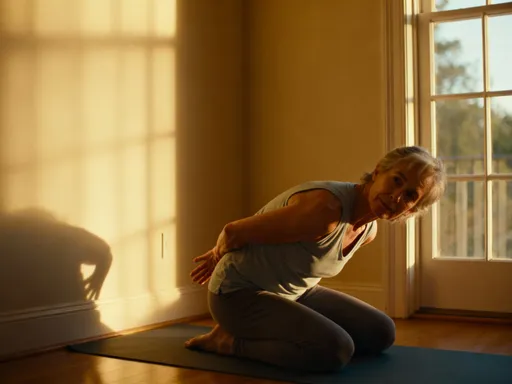
Mobility refers to the ability to move freely and comfortably through a full range of motion. Stiff joints and tight muscles are not inevitable—they are often the result of prolonged sitting and lack of dynamic movement. Daily mobility practices, such as shoulder rolls, hip circles, or gentle yoga flows, lubricate joints, improve posture, and reduce discomfort. These movements also enhance body awareness, helping you move with greater ease and confidence.
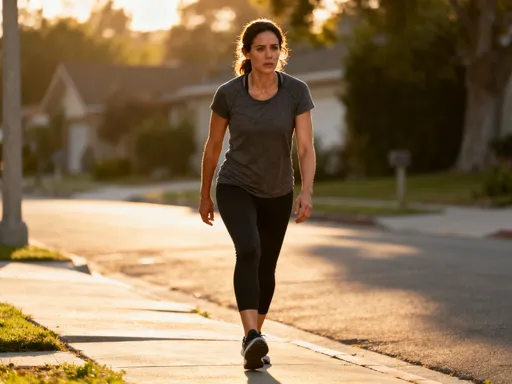
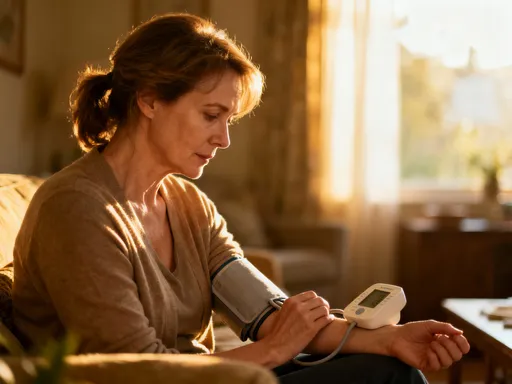
Cardiovascular health ensures that your heart and lungs can support daily activities without excessive fatigue. Regular aerobic movement—brisk walking, cycling, or swimming—improves circulation, lowers blood pressure, and supports brain health. For long-term adherence, the activity should be enjoyable and sustainable. A 30-minute walk in nature, for example, offers both physical and mental benefits, reducing stress while improving endurance.
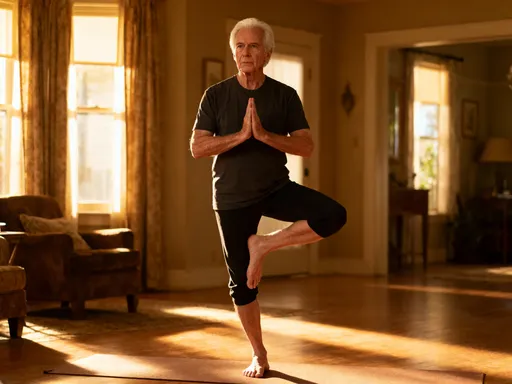
Balance is often overlooked until it’s compromised. Yet, maintaining balance is critical for fall prevention, especially as we age. Simple balance exercises—standing on one foot while brushing teeth, walking heel-to-toe, or practicing tai chi—train the nervous system and strengthen stabilizing muscles. These small efforts significantly reduce the risk of injury and maintain independence.
The beauty of this four-pillar approach is its adaptability. Each component can be scaled to individual ability and schedule. A beginner might start with two days of strength training, daily stretching, and short walks. Over time, these habits can evolve into a more structured routine. The goal is not perfection but consistency—showing up for your body every day, in whatever way feels possible.
Building Your Daily Rhythm: A Practical Framework
Integrating all four pillars into daily life requires a practical, flexible framework. The most effective routines are not rigid schedules but adaptable rhythms that align with your natural energy patterns and responsibilities. The goal is to create a day that moves with you—supporting vitality without adding stress.
A sample daily rhythm might begin with a morning mobility flow. Upon waking, spending just five to ten minutes stretching the spine, shoulders, and hips can awaken the body and set a tone of awareness. Simple movements—cat-cow stretches, seated twists, or ankle circles—help release overnight stiffness and improve circulation. This practice need not be elaborate; even performing these motions in bed can be effective.
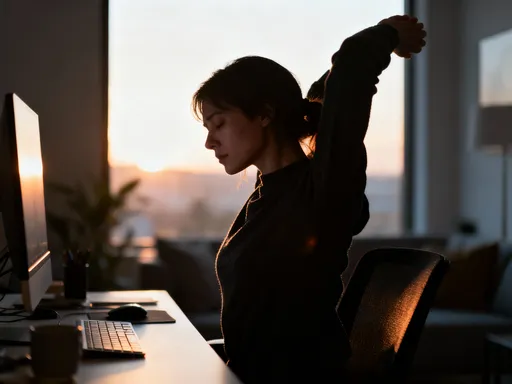
Throughout the day, intentional breaks can counteract the effects of prolonged sitting. Every 90 minutes, a “movement snack” of two to five minutes can reset the body. This might include marching in place, shoulder shrugs, or a quick set of squats. These brief interludes not only reduce muscle fatigue but also enhance focus and mental clarity. For those working from home or managing household tasks, setting a timer or using a smartwatch reminder can help build this habit.
Lunchtime offers another opportunity. Instead of eating at a desk, a short walk—around the block, through a garden, or even inside the house—can aid digestion and boost afternoon energy. If weather permits, stepping outside provides the added benefit of natural light, which supports circadian rhythm and mood regulation.
In the evening, a wind-down routine can ease the transition from activity to rest. Gentle stretching, particularly in the hamstrings, lower back, and neck, helps release tension accumulated during the day. Pairing this with deep breathing or mindfulness can further support relaxation and sleep quality. This is not the time for intense exercise; rather, it’s a moment to honor the body’s need for recovery.
Common obstacles—fatigue, lack of time, or low motivation—can be addressed with flexibility and self-compassion. On busy days, even two minutes of movement counts. On tired days, a seated stretch or slow walk is better than inactivity. The key is to remove the pressure of “all or nothing” thinking. Every small effort contributes to the larger goal of sustained vitality.
Progress That Lasts: Tracking What Actually Matters
In a culture obsessed with numbers—weight, steps, calories—it’s easy to overlook the most meaningful indicators of health. True progress in an anti-aging movement plan is not measured by the scale, but by how you feel and function in daily life. Did you climb the stairs without stopping? Carry your child’s car seat with ease? Bend down to tie a shoe without discomfort? These are the real markers of success.
Tracking functional improvements helps maintain motivation and provides tangible evidence of progress. Keeping a simple journal—recording energy levels, mood, and physical ease—can reveal patterns over time. For example, noting that “I felt less stiff after adding morning stretches” reinforces the value of the habit. Some may prefer using apps designed for habit tracking or wellness logging, but the method matters less than the consistency of reflection.
It’s also important to recognize that progress is not linear. There will be days of fatigue, illness, or life disruptions. These are not failures, but natural parts of the journey. What matters is the long-term trend—showing up more often than not, and returning to the routine after setbacks. Self-compassion is essential; treating yourself with kindness during challenges increases the likelihood of long-term adherence.
While fitness gadgets can offer useful data, over-reliance on metrics can lead to frustration or burnout. Not every day will yield 10,000 steps or perfect sleep scores—and that’s okay. The goal is sustainable well-being, not perfection. Focusing on how clothing fits, how tasks feel, or how sleep has improved offers a more holistic view of health.
Ultimately, the most powerful measure of success is confidence. When movement becomes a trusted part of daily life, it fosters a sense of capability and self-trust. You begin to believe that your body is strong, capable, and worthy of care. This shift in self-perception is one of the most profound anti-aging benefits of all.
Fueling the Machine: Nutrition’s Role in Movement Recovery and Longevity
Movement and nutrition are deeply interconnected. Just as a car needs quality fuel to run efficiently, the body requires proper nourishment to support physical activity, repair tissues, and maintain energy. While no single diet guarantees youth, certain eating patterns consistently support long-term vitality and recovery.
Protein is especially important for women over 30, as it helps preserve muscle mass and supports repair after movement. Including a source of high-quality protein—such as eggs, Greek yogurt, beans, or lean poultry—at each meal can enhance satiety, stabilize blood sugar, and promote muscle synthesis. Hydration is equally critical; even mild dehydration can lead to fatigue, joint stiffness, and reduced cognitive function.
Whole, unprocessed foods form the foundation of an anti-inflammatory diet. Fruits, vegetables, whole grains, nuts, and seeds provide essential vitamins, minerals, and antioxidants that combat oxidative stress—a key factor in aging. Foods rich in omega-3 fatty acids, such as fatty fish, flaxseeds, and walnuts, support joint health and reduce inflammation. Limiting added sugars, refined grains, and processed foods further decreases the body’s inflammatory load.
It’s important to avoid extreme or fad diets, which can lead to nutrient deficiencies, energy crashes, and unsustainable habits. Instead, the focus should be on balance and consistency—eating in a way that supports your activity level and overall well-being. Listening to hunger and fullness cues, eating mindfully, and enjoying meals without guilt contribute to a healthy relationship with food.
The synergy between nourishment and movement is powerful. When the body is properly fueled, workouts feel easier, recovery is faster, and energy levels remain stable. This positive feedback loop reinforces healthy habits and makes long-term adherence more enjoyable. Over time, eating well becomes less about restriction and more about honoring the body’s needs.
Staying Motivated for the Long Haul: Mindset Over Milestones
Perhaps the most overlooked aspect of sustainable movement is mindset. As women navigate the changing demands of life—parenthood, career shifts, caregiving—the way they view aging and their bodies can significantly influence their willingness to stay active. Fear of decline, negative self-image, or past frustrations with fitness can create mental barriers that are harder to overcome than physical ones.
Reframing movement as an act of self-respect, rather than a punishment or obligation, can transform the experience. Instead of focusing on what the body cannot do, the emphasis shifts to gratitude for what it can do. Each stretch, step, or squat becomes a quiet affirmation: “I am here. I am capable. I am choosing myself.”
Relatable struggles are inevitable. There will be plateaus where progress feels stalled, setbacks due to illness or injury, and seasons of life when energy is stretched thin. During these times, flexibility and self-compassion are vital. It’s okay to modify routines, take rest days, or focus on gentler forms of movement. What matters is the intention to return, not the perfection of the practice.
Joy is another powerful motivator. When movement feels enjoyable—whether it’s dancing in the kitchen, walking with a friend, or gardening—it becomes something to look forward to, not endure. Seeking out activities that bring pleasure increases adherence far more than forcing oneself into routines that feel like chores.
Ultimately, the goal is not to stop aging, but to age with strength, grace, and vitality. Movement is not a battle against time, but a daily gift to your future self. It’s an investment in the ability to live fully—playing with grandchildren, traveling with confidence, or simply enjoying a walk in the park—no matter your age.
Aging Forward, Not Backward
The power of intentional movement lies not in reversing time, but in redefining what it means to age. It’s about choosing vitality over resignation, strength over fragility, and presence over decline. Every small act of movement—whether it’s a morning stretch, a midday walk, or an evening balance exercise—adds up to a life of greater ease, energy, and confidence.
Anti-aging is not found in expensive creams or extreme regimens, but in the daily choices that honor the body’s need to move. By building a sustainable routine rooted in strength, mobility, cardiovascular health, and balance, women can maintain their independence, reduce discomfort, and enjoy a higher quality of life at every stage.
Start small. Stay consistent. Celebrate progress, not perfection. And remember that every step, stretch, and squat is an investment in a more vibrant, capable future. For personalized guidance, especially when beginning a new routine, consulting a healthcare provider or certified fitness professional is always recommended. Your body is your lifelong companion—treat it with care, and it will carry you forward with strength and grace.